Showing posts with label iNaturalist. Show all posts

Wednesday, August 22, 2018

Trip Report: Exploring Austin, part 2

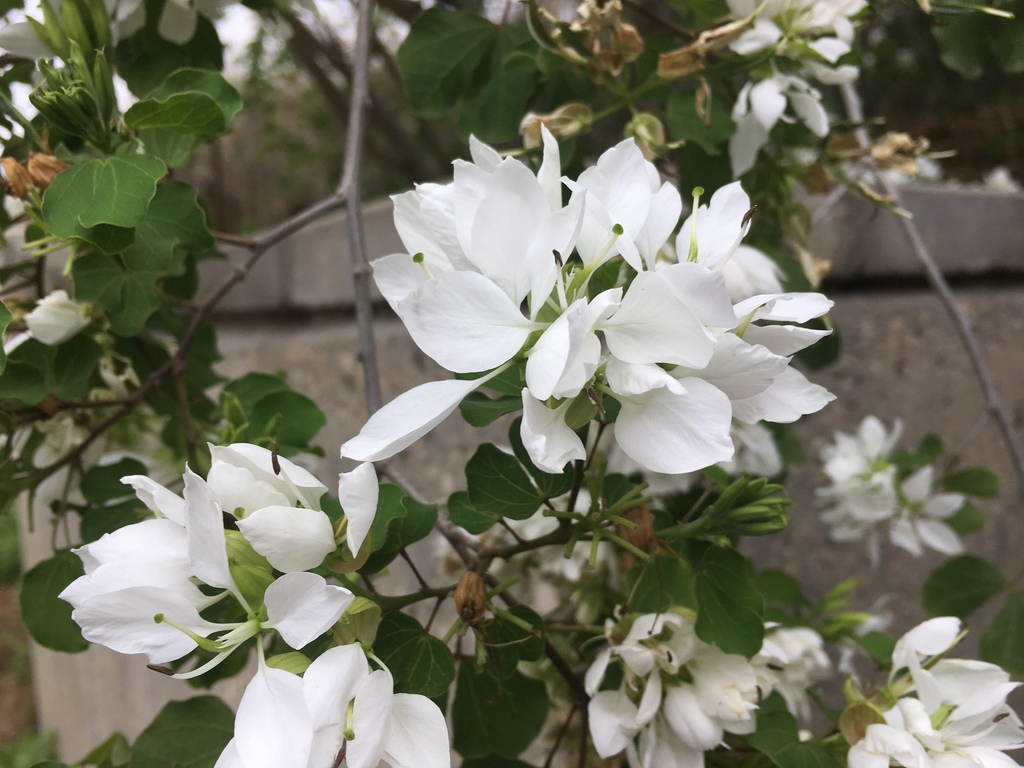
In my last post I talked about finding a native species of Bauhinia along the Colorado River in downtown Austin.

Catalpa leaves and seed pods

Also along this path I came across a large Catalpa tree. I am familiar with these trees growing in Oklahoma. They are easily distinguished by their large leaves, showy flowers in the spring, and long green seed pods through the summer into the fall. The tree along the path was in seed pod stage and the pods were longer and more slender (pencil size or skinnier) than those I am used to seeing (finger size or thicker). Comparing images on iNaturalist and reading some articles online, I believe this is the Northern Catalpa (Catalpa speciosa), whereas the species I see at home is the Southern Catalpa (Catalpa bignonioides). This is a bit ironic since I am finding the northern species to the south of where I am used to seeing the southern species. Anyway, I believe this is correct.

Catalpa seed pods
True to form, I collected the seeds from these long seed pods shown in the photo and will plant them next spring.

I have a few more posts related to my time in Austin, so stay tuned!

Monday, August 20, 2018

Trip Report: Exploring Austin, part 1

I spent two weeks in Austin this summer, taking a training course to be a Red Hat System Administrator. In the evenings I traipsed around the metro area, birding in local parks and natural areas and doing my normal thing - observing and logging everything new species (to me) using the iNaturalist app.

I visited 10 different parks during my two weeks and covered a lot of ground. I observed a few new species of birds (Black-crested Titmice, Least Grebe, Pectoral Sandpiper), several new dragon/damselflies (Swift Setwing, Marl Pennant, Kiowa Dancer, Dusky Dancer, Checkered Setwing, American Rubyspot), several new plants, and even found a nice gastropod fossil. But this is a plant blog, so let me dive in to more detail about some of the plants.

Small bilobed leaves of the Anacacho Orchid tree (Bauhinia lunarioides)

Along the Colorado River in Austin there is a nice walking trail that is well used by locals walking their dogs, cycling, and jogging, as well as to observe bats at the Congress Avenue Bridge. (I sort of stumbled along this myself and was treated to quite the spectacle around sunset.) Along this path I came across a couple of really neat plants. The first was a small shrubby tree (probably about 6' tall and about the same width that was covered in opened seed pods. There was nothing too remarkable about the tree except that the seed pods had all split open in a spiraling fashion and they were pretty conspicuous. Upon closer examination I realized the leaves were the distinct shape of a Bauhinia, which greatly excited me. I took some photos and uploaded the observation to iNaturalist, which suggested the name of Anacacho Orchid (Bauhinia lunarioides), a native of central and southern Texas into northern Mexico. This species has small and deeply split leaves, almost appearing as two leaves. The flowers (which appear in the spring) are white (or occasionally pink) and showy. I don't have any of my own photos of flowers to show, but the photos below are from iNaturalist observations (here and here).

Photo by iNaturalist user anschad.

Photo by iNaturalist user johnkarges.

Of course I collected a handful of seeds and brought them home for experimentation. I have started other species of Bauhinia from seed and they have germinated easily and been a fairly easy plant to grow, although they are tropical and cannot winter outdoors in my climate. This species appears to be a little more hardy, but not enough (zone 8) to overwinter in central Oklahoma (zone 7). It's not clear to me whether the tree was growing naturally along the path or had been planted there. I'm guessing the latter but who knows?

Part 2 coming later this week!

Wednesday, May 17, 2017

Oklahoma Virtual Spring BioBlitz

At some point over the last year I signed up to receive emails from the Oklahoma Department of Wildlife Conservation.  Some of the emails deal with fishing and hunting records and I usually trash those without reading, but I really like the newsletters that tell about our native species of plants and animals.

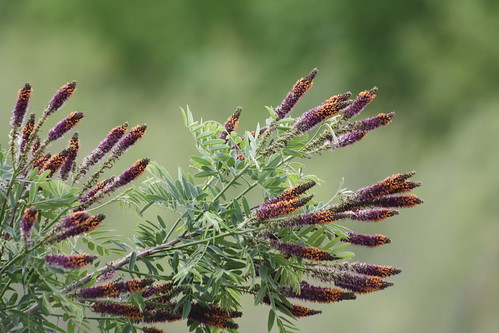
False Indigo (Amorpha fruticosa)

In late March I got an email telling about the upcoming Virtual Spring BioBlitz, which I hadn't heard of before.  The (non-virtual) BioBlitz is an event that is held each October at a different state park in Oklahoma.  Nature enthusiasts show up and spend the designated period (1 or 2 days) wandering around the state park and recording as many species as they can identify.  It serves to map out the biodiversity of the area, track invasive species and see how native species are doing.  The Spring Virtual BioBlitz is a month-long survey of the entire state.  All observations are logged to iNaturalist.org, a database of naturalist records used by professionals and amateurs alike.

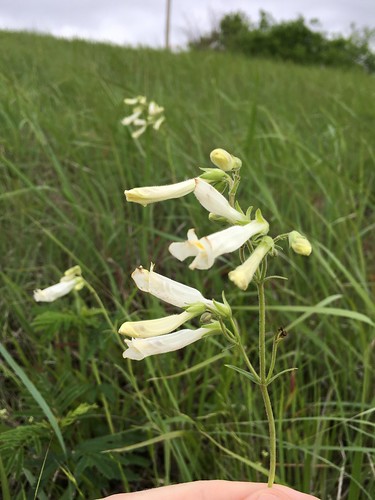
Oklahoma Beardtongue (Penstemon oklahomensis)

I took on the challenge and logged every wild species I could for the month of April.  It was a lot of fun.  I am already in the habit of doing this with bird species, so I got to extend this habit to some of my other interests: plants, insects, and fungi.

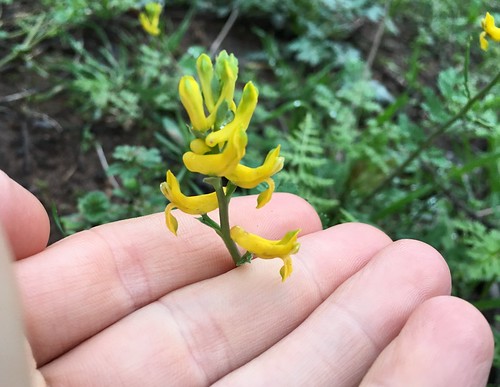
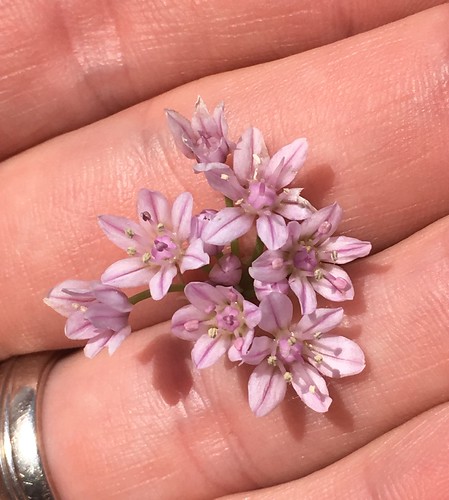
Corydalis aurea

Throughout the month there were several challenges and I met each goal: logging at least X observations in the first weekend, logging at least Y observations in a state park another weekend, logging at least Z observations in a county that hadn't yet received any records.

Untitled

I ended up logging 375 observations during the month of April.  Of those observations, 223 unique species have been identified by the iNaturalist community.  (Some of my 375 were duplicates and others have not yet been identified to species level yet.)

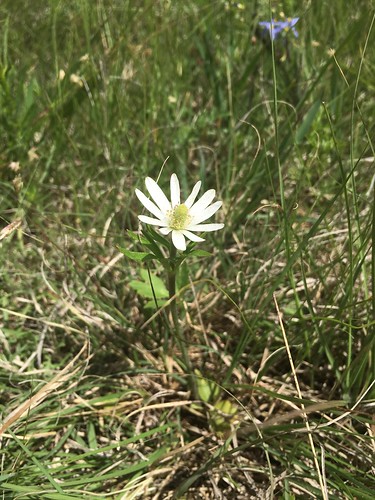
Tenpetal Anemone (Anemone berlandieri)

I haven't spent a lot of time learning about native (or invasive) species that live in Oklahoma, so this was a good opportunity for me to learn from others.  I mostly posted my plants without identifications and allowed others to provide guidance.  I can't say that I can positively identify all of these plants again without studying my photos and the names some more, but I have a much better grasp of what wild plants are growing in my area.